
Understanding Graphite Blocks: Essential Insights for the Metallurgy and Energy Industry
Feb 13,2026
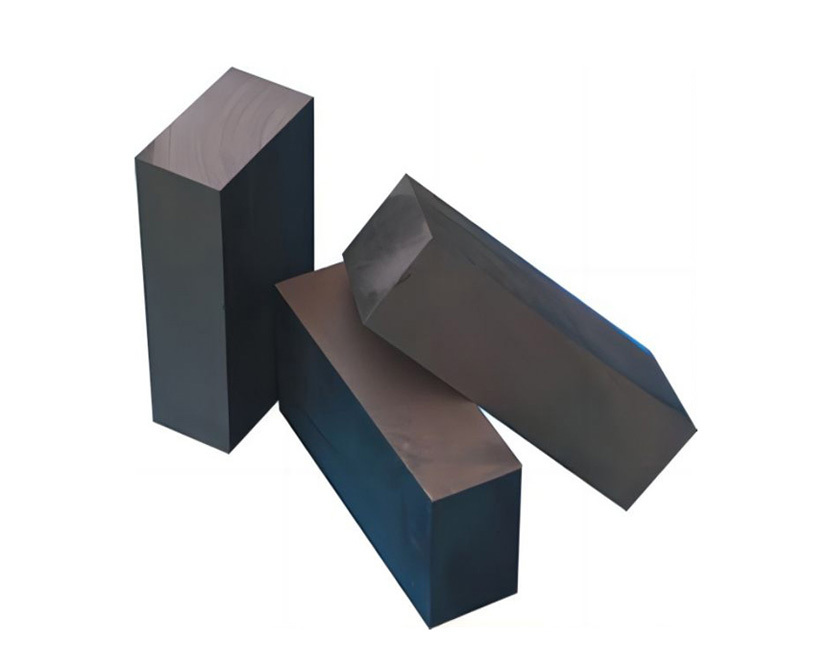
Graphite blocks are a crucial component in various industrial applications, particularly within the metallurgy and energy sectors. Their unique properties, including high thermal conductivity, excellent electrical conductivity, and remarkable resistance to thermal shock, make them invaluable in processes that require reliable performance under extreme conditions.
In metallurgy, graphite blocks serve multiple purposes. One of their primary uses is as a lining material for furnaces and crucibles due to their ability to withstand high temperatures without degrading. This characteristic is vital in processes such as smelting and casting, where maintaining consistent thermal conditions is essential for producing high-quality metal components. Furthermore, the thermal properties of graphite blocks help in improving energy efficiency, as they can retain heat effectively, which reduces energy consumption during metal processing.
Another significant application of graphite blocks is in the production of electrodes for electric arc furnaces. These electrodes facilitate the melting of scrap metal and other raw materials, making them a cornerstone of modern steel production. The electrical conductivity of graphite allows for efficient energy transfer, which is critical in optimizing the melting process. The durability of graphite blocks also ensures a longer lifespan for these electrodes, ultimately contributing to cost savings for manufacturers.
In addition to their roles in metallurgy, graphite blocks are also widely used in the energy sector. They play a significant role in the production of batteries, particularly in lithium-ion batteries that power everything from electric vehicles to portable electronics. The stability and conductivity of graphite make it an ideal material for battery anodes, contributing to the overall efficiency and longevity of energy storage systems.
When considering the incorporation of graphite blocks into your operations, it is crucial to assess the specific requirements of your processes. Factors such as temperature tolerance, electrical conductivity, and mechanical strength should be evaluated to ensure you select the most suitable type of graphite block for your needs. Additionally, understanding the sourcing and quality of graphite can impact the performance of the blocks, making it essential to work with reputable suppliers who adhere to industry standards.
In conclusion, graphite blocks play an indispensable role in both the metallurgy and energy sectors. Their unique properties enhance operational efficiency and product quality across various applications. As industries continue to evolve, the demand for high-performance materials like graphite blocks will only increase, making them a wise investment for companies looking to stay competitive in a rapidly changing market. By understanding the versatility and benefits of graphite blocks, businesses can make informed decisions that bolster their production processes and overall success.
Contact Us
E-mail:
Phone/WhatsApp:
+86 15711363051
Address:
Xingchuang International C912, Xinya Street No.15, Daxing District, Beijing, China



Contact
TEL: +8615711363051
EMAIL: sales@topflymaterial.com
ADD: Xingchuang International C912, Xinya Street No.15, Daxing District, Beijing, China