
The Science Behind Isostatic Graphite: What You Need to Know
Feb 04,2026
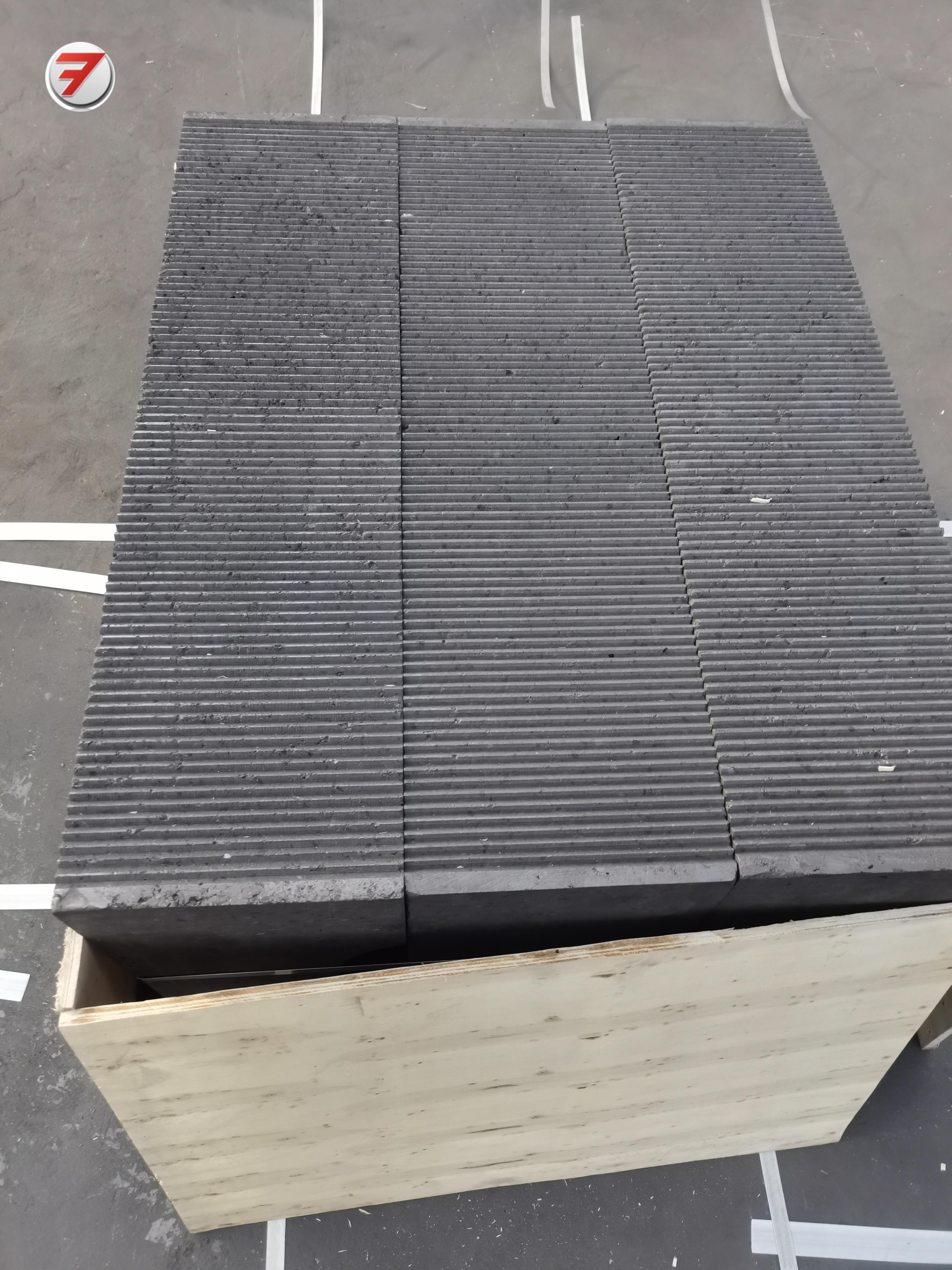
The Science Behind Isostatic Graphite: What You Need to Know
Table of Contents
- 1. Introduction to Isostatic Graphite
- 2. What is Isostatic Graphite?
- 3. The Production Process of Isostatic Graphite
- 4. Properties of Isostatic Graphite
- 5. Applications of Isostatic Graphite
- 6. Advantages of Using Isostatic Graphite
- 7. Challenges and Limitations of Isostatic Graphite
- 8. The Future of Isostatic Graphite
- 9. Frequently Asked Questions
- 10. Conclusion
1. Introduction to Isostatic Graphite
Isostatic graphite is a unique form of graphite that has gained significant attention in various industries due to its remarkable qualities. Unlike traditional graphite, isostatic graphite is created through a specific manufacturing process that ensures uniform density and superior performance. This article provides an in-depth exploration of isostatic graphite, detailing its production methods, properties, applications, advantages, and future potential.
2. What is Isostatic Graphite?
Isostatic graphite, also known as isostatically molded graphite, is a form of graphite that exhibits isotropic properties. This means that its physical properties, such as strength, thermal conductivity, and electrical conductivity, are consistent in all directions. The material is produced by applying high pressure to a mixture of graphite powder and a binder, resulting in a dense and uniform product.
Isostatic graphite is particularly valued for its ability to withstand extreme conditions, making it ideal for high-performance applications. Its unique properties stem from the precise control of the manufacturing process, which allows for tailored characteristics based on specific requirements.
3. The Production Process of Isostatic Graphite
The production of isostatic graphite involves several key steps that contribute to its exceptional qualities. Let's break down these steps in detail.
3.1 Raw Materials
The primary raw material used in the production of isostatic graphite is high-purity graphite powder. This powder is sourced from natural or synthetic graphite, with the latter often preferred for its uniformity and quality. Additionally, a binder is used to hold the graphite particles together during the molding process.
3.2 The Pressing Technique
The pressing technique employed in the production of isostatic graphite is unique to this material. In this step, the graphite powder and binder mixture is placed in a mold and subjected to hydrostatic pressure. This pressure is applied uniformly in all directions, resulting in an isotropic product with consistent density. The pressure levels can vary based on the desired properties of the final product.
3.3 The Sintering Process
After pressing, the molded graphite undergoes a sintering process. This involves heating the pressed material in a controlled environment, allowing the binder to evaporate and the graphite particles to bond together. The sintering temperature and duration are critical factors that influence the final properties of the isostatic graphite, ensuring optimal density and strength.
4. Properties of Isostatic Graphite
Isostatic graphite exhibits a range of exceptional properties that make it suitable for various applications. Understanding these properties is essential for evaluating its performance in different industries.
4.1 Mechanical Properties
Isostatic graphite is known for its high mechanical strength and rigidity. Its isotropic nature allows it to withstand significant stress without deforming. This makes it an ideal choice for applications where durability and reliability are paramount.
4.2 Thermal Properties
The thermal conductivity of isostatic graphite is another standout feature. It can efficiently conduct heat, making it an excellent material for heat sinks and other thermal management solutions. Moreover, it maintains its structural integrity even under high temperatures, further enhancing its usability in extreme environments.
4.3 Electrical Properties
Isostatic graphite is also known for its impressive electrical conductivity. This property makes it highly suitable for use in electrical components, electrodes, and other applications where efficient electrical conduction is required. Its conductivity can be tailored by adjusting the composition and processing conditions during production.
4.4 Chemical Resistance
One of the key advantages of isostatic graphite is its exceptional chemical resistance. It is largely inert and can withstand exposure to a variety of corrosive substances without degrading. This property makes it invaluable in industries where chemical exposure is a concern, such as chemical processing and nuclear applications.
5. Applications of Isostatic Graphite
Isostatic graphite finds applications across multiple industries due to its unique attributes. Here, we explore some of the most prominent uses of this versatile material.
5.1 Aerospace Industry
In the aerospace sector, isostatic graphite is used in components such as heat shields, rocket nozzles, and various structural parts. Its ability to withstand extreme temperatures and pressures is critical for ensuring the safety and performance of aerospace vehicles.
5.2 Nuclear Energy
Isostatic graphite plays a vital role in the nuclear energy sector, where it is used as a moderator and structural material in reactors. Its resistance to radiation damage and heat makes it a suitable choice for maintaining the integrity of nuclear facilities.
5.3 Electronic Devices
The electronic industry benefits from isostatic graphite's excellent electrical conductivity. It is utilized in a range of applications, including electrodes for batteries and capacitors, as well as components for semiconductor devices.
5.4 Renewable Energy
Isostatic graphite is increasingly being used in renewable energy technologies, such as solar panels and fuel cells. Its efficiency in conducting heat and electricity makes it an attractive option for enhancing the performance and durability of these systems.
6. Advantages of Using Isostatic Graphite
The advantages of isostatic graphite extend beyond its physical properties. Here are some key benefits of using this material in various applications:
- **Uniform Density**: The hydrostatic pressing process ensures that isostatic graphite has a uniform density, resulting in consistent performance across applications.
- **High Temperature Resistance**: Isostatic graphite can operate effectively at high temperatures, making it ideal for extreme environments.
- **Excellent Thermal and Electrical Conductivity**: Its ability to conduct heat and electricity efficiently enhances the performance of various devices and applications.
- **Chemical Stability**: The material's resistance to chemical reactions ensures longevity and reliability in demanding environments.
7. Challenges and Limitations of Isostatic Graphite
While isostatic graphite offers many advantages, there are challenges associated with its use. These include:
- **Cost of Production**: The manufacturing process for isostatic graphite can be more expensive than that of conventional graphite, which may limit its use in cost-sensitive applications.
- **Machining Difficulties**: Isostatic graphite can be difficult to machine due to its hardness, requiring specialized tools and processes.
- **Limited Availability**: High-quality raw materials for producing isostatic graphite may not always be readily available, affecting supply chains.
8. The Future of Isostatic Graphite
The future of isostatic graphite looks promising, driven by advancements in technology and an increasing demand for high-performance materials. As industries continue to evolve, the need for innovative solutions to meet stringent requirements will likely lead to further developments in isostatic graphite production. Research into enhancing its properties and reducing production costs will be crucial in expanding its applications and market reach.
9. Frequently Asked Questions
1. What distinguishes isostatic graphite from regular graphite?
Isostatic graphite is produced through a unique hydrostatic pressing method that ensures uniform density and isotropic properties, unlike regular graphite, which may exhibit anisotropic characteristics.
2. What industries commonly use isostatic graphite?
Isostatic graphite is widely used in the aerospace, nuclear energy, electronics, and renewable energy sectors due to its exceptional properties.
3. How does the production process of isostatic graphite work?
The production process involves mixing high-purity graphite powder with a binder, pressing the mixture under high hydrostatic pressure, and then sintering it at elevated temperatures to form a dense material.
4. What are the key properties of isostatic graphite?
Key properties include high mechanical strength, excellent thermal and electrical conductivity, and remarkable chemical resistance.
5. Are there any limitations to using isostatic graphite?
Yes, challenges include higher production costs, machining difficulties, and limited availability of high-quality raw materials.
10. Conclusion
Isostatic graphite is an extraordinary material that embodies advanced manufacturing techniques and exceptional properties. Its uniform density, high thermal and electrical conductivity, and chemical resistance make it suitable for a variety of demanding applications across different industries. As technology continues to advance, the potential for isostatic graphite to play a crucial role in future innovations remains significant. By understanding its properties, production processes, and applications, stakeholders can make informed decisions regarding its use, ultimately leading to enhanced performance and reliability in their respective fields.
Contact Us
E-mail:
Phone/WhatsApp:
+86 15711363051
Address:
Xingchuang International C912, Xinya Street No.15, Daxing District, Beijing, China



Contact
TEL: +8615711363051
EMAIL: sales@topflymaterial.com
ADD: Xingchuang International C912, Xinya Street No.15, Daxing District, Beijing, China