
High-Performance Graphite Electrodes for Electric Arc Furnace (EAF) Steelmaking
Dec 30,2025
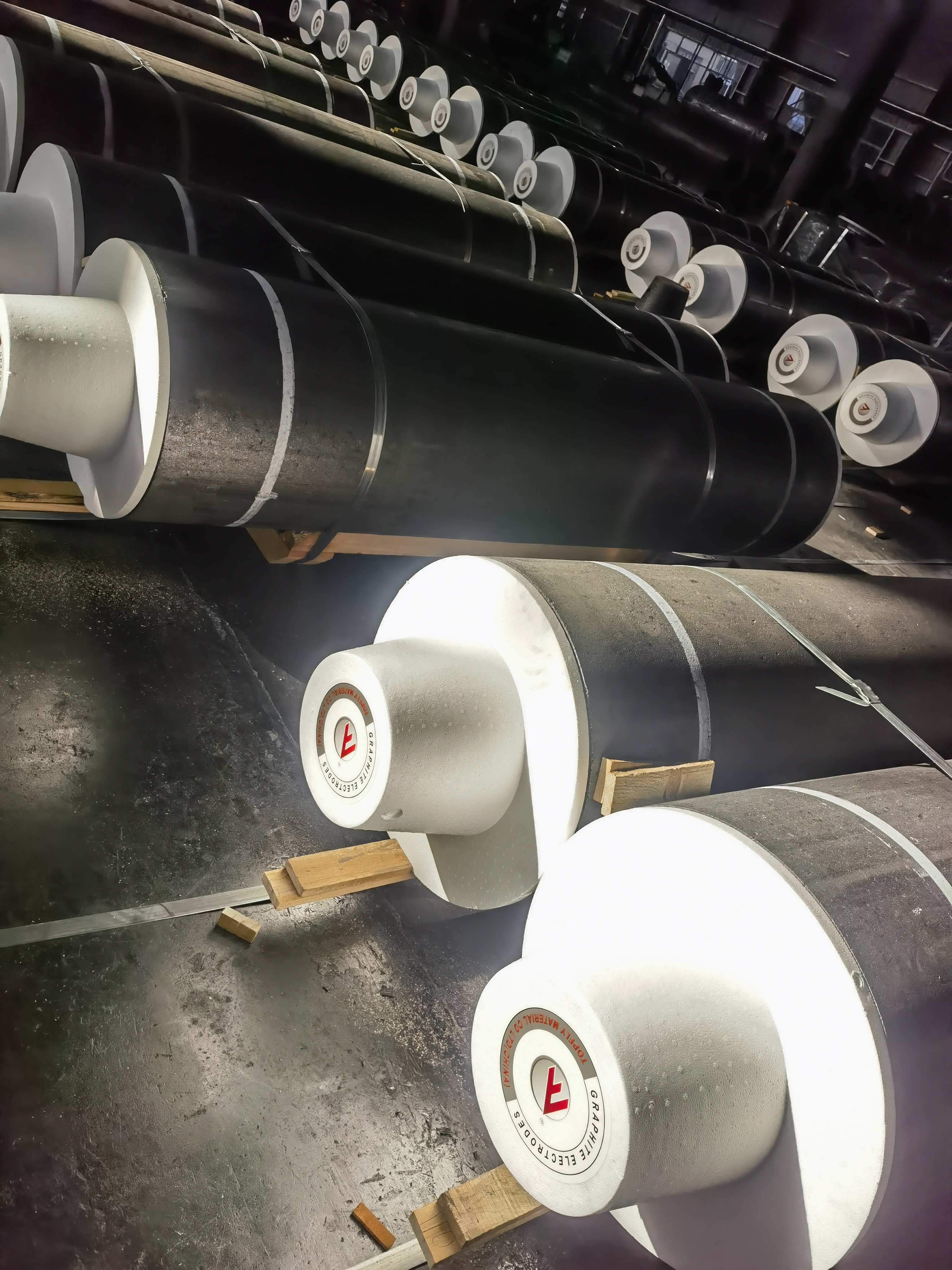
Table of Contents
- 1. Introduction to Graphite Electrodes
- 2. The Importance of Graphite Electrodes in Metal Production
- 3. Key Properties of Graphite Electrodes
- 4. Applications of Graphite Electrodes in Metal Manufacturing
- 5. The Production Process of Graphite Electrodes
- 6. Environmental Impact and Sustainability
- 7. Challenges in Graphite Electrode Production
- 8. Future of Graphite Electrodes in Metal Production
- 9. Frequently Asked Questions (FAQs)
- 10. Conclusion
1. Introduction to Graphite Electrodes
Graphite electrodes are a crucial component in the metal production industry, particularly in electric arc furnaces (EAFs) used for steelmaking. As the world moves towards more sustainable production methods, these electrodes have gained prominence not only for their efficiency but also for their ability to minimize environmental impact. Their unique properties make them ideal for high-temperature applications in metal manufacturing, ensuring that the production process is both effective and economical.
2. The Importance of Graphite Electrodes in Metal Production
The significance of graphite electrodes in metal production cannot be overstated. They serve as the primary conductor of electrical current in EAFs, enabling the melting of scrap metal and other materials. The **demand for high-quality steel** and alloys has surged, particularly in developing economies, propelling the need for advanced production technologies that optimize resource use while maintaining quality.
Graphite electrodes possess exceptional thermal conductivity, allowing them to maintain high operational temperatures while delivering consistent power. This capability not only enhances the melting process but also reduces energy consumption, making the production of metals more cost-effective.
3. Key Properties of Graphite Electrodes
Graphite electrodes exhibit several properties that make them indispensable in the metal production process:
3.1 High Thermal Conductivity
Graphite is known for its ability to conduct heat effectively, essential for maintaining the elevated temperatures required during metal melting.
3.2 Excellent Electrical Conductivity
The electrical conductivity of graphite allows for efficient current flow, facilitating the melting process within electric arc furnaces.
3.3 Low Coefficient of Thermal Expansion
This property minimizes the stress on electrodes during operation, extending their lifespan and reducing the frequency of replacements.
3.4 Resistance to Oxidation
Graphite electrodes are highly resistant to oxidation at high temperatures, ensuring they remain effective even in extreme conditions.
4. Applications of Graphite Electrodes in Metal Manufacturing
The versatility of graphite electrodes has led to their widespread application in various metal production processes:
4.1 Electric Arc Furnaces (EAFs)
EAFs are the primary application for graphite electrodes, where they are used to melt scrap steel and produce new steel products. The efficiency and speed of EAFs, combined with graphite electrodes, have revolutionized steel production.
4.2 Secondary Steelmaking
In secondary steelmaking processes, graphite electrodes are utilized for refining and alloying, allowing producers to create high-quality steel with specific properties.
4.3 Foundries
Graphite electrodes are also employed in foundries for producing non-ferrous metals, such as aluminum and copper, where precise temperature control is paramount.
4.4 Other Applications
Beyond steel, graphite electrodes find applications in producing carbon and silicon-based materials, enhancing their relevance in diverse industrial processes.
5. The Production Process of Graphite Electrodes
The production of graphite electrodes involves several meticulous steps to ensure their quality and performance:
5.1 Raw Material Selection
High-quality needle coke, a byproduct of petroleum refining, is the primary raw material used in producing graphite electrodes. Its purity and composition significantly affect the performance of the final product.
5.2 Baking Process
The selected raw materials undergo a baking process at high temperatures, which helps in carbonizing the material and converting it into a graphitic structure.
5.3 Graphitization
Once carbonized, the material is subjected to an even higher temperature treatment known as graphitization. This process transforms the carbon structure into graphite, enhancing electrical and thermal conductivity.
5.4 Machining and Quality Control
After graphitization, the electrodes are machined to the required specifications. Rigorous quality control measures ensure that each electrode meets industry standards and customer requirements.
6. Environmental Impact and Sustainability
As industries face increasing pressure to adopt sustainable practices, the environmental impact of graphite electrodes becomes a focal point. The production process for graphite electrodes can be energy-intensive and produce emissions if not managed properly. However, advancements in technology and processes are leading to greener production methods.
6.1 Recycling of Graphite Electrodes
Recycling scrap graphite electrodes is a growing practice within the industry, reducing waste and conserving resources. Recycled graphite can be used in various applications, contributing to a circular economy.
6.2 Energy-Efficient Production Techniques
Innovations in production techniques aim to reduce energy consumption, further decreasing the carbon footprint associated with graphite electrode manufacturing.
7. Challenges in Graphite Electrode Production
Despite the advantages, the production of graphite electrodes comes with its own set of challenges:
7.1 Raw Material Availability
The availability and cost of quality raw materials can fluctuate, impacting production efficiency and pricing.
7.2 Competition and Market Dynamics
The global graphite electrode market is highly competitive, with price volatility affecting profitability for manufacturers.
7.3 Technological Advancements
Keeping pace with rapid technological advancements is essential for manufacturers. Continuous investment in research and development is required to stay competitive and meet evolving industry needs.
8. Future of Graphite Electrodes in Metal Production
The future of graphite electrodes in metal production appears promising, as the industry evolves toward more sustainable practices and enhanced efficiency. Trends toward electric vehicles and renewable energy sources are likely to increase the demand for metals, further solidifying the role of graphite electrodes.
8.1 Innovations in Material Science
Research into alternative materials and improved production methods will continue to shape the future landscape of graphite electrodes, focusing on performance and sustainability.
8.2 Increased Recycling Efforts
With sustainability at the forefront of production practices, the emphasis on recycling graphite electrodes is set to rise, leading to reduced environmental impact and resource consumption.
9. Frequently Asked Questions (FAQs)
9.1 What are graphite electrodes used for?
Graphite electrodes are primarily used in electric arc furnaces for melting scrap metals and producing steel. They are also utilized in secondary steelmaking and foundries for producing various metals.
9.2 How does the quality of graphite electrodes affect metal production?
The quality of graphite electrodes directly influences the efficiency of the melting process, energy consumption, and the overall quality of the produced metal.
9.3 Are graphite electrodes environmentally friendly?
While the production of graphite electrodes can have environmental impacts, advancements in recycling and energy-efficient production techniques are making them more sustainable.
9.4 What factors affect the lifespan of graphite electrodes?
Factors such as operational temperature, the quality of raw materials, and the cooling rate during operation can influence the lifespan of graphite electrodes.
9.5 How can manufacturers improve the performance of graphite electrodes?
Investing in research and adopting innovative production techniques can enhance the performance of graphite electrodes, ensuring they meet the demands of modern metal production.
10. Conclusion
Graphite electrodes are a cornerstone of the metal production industry, playing a vital role in enhancing efficiency, performance, and sustainability. Their unique properties and versatile applications make them irreplaceable in electric arc furnaces and various metal manufacturing processes. As the industry continues to evolve, embracing advancements in technology and sustainable practices will be crucial for maximizing the potential of graphite electrodes. By understanding their significance and addressing the challenges they face, manufacturers can unlock the full power of graphite electrodes and pave the way for a more sustainable future in metal production.
Contact Us
E-mail:
Phone/WhatsApp:
+86 15711363051
Address:
Xingchuang International C912, Xinya Street No.15, Daxing District, Beijing, China



Contact
TEL: +8615711363051
EMAIL: sales@topflymaterial.com
ADD: Xingchuang International C912, Xinya Street No.15, Daxing District, Beijing, China